Concreting Costs Are Rarely Straightforward
Most homeowners start with a simple question: how much will this cost? The honest answer is that concreting prices vary significantly depending on the job type, site conditions, and what the concrete actually needs to do once it’s poured.
A basic concrete slab in a flat backyard costs far less than a reinforced driveway on a sloped block with poor access. Understanding what drives those differences helps you budget accurately and avoid surprises when quotes come in.
Typical Price Ranges for Common Concreting Jobs in Queensland
These figures reflect general market conditions in South East Queensland, including the Moreton Bay region. They are starting points, not fixed prices. Every site is different.
Concrete Driveways
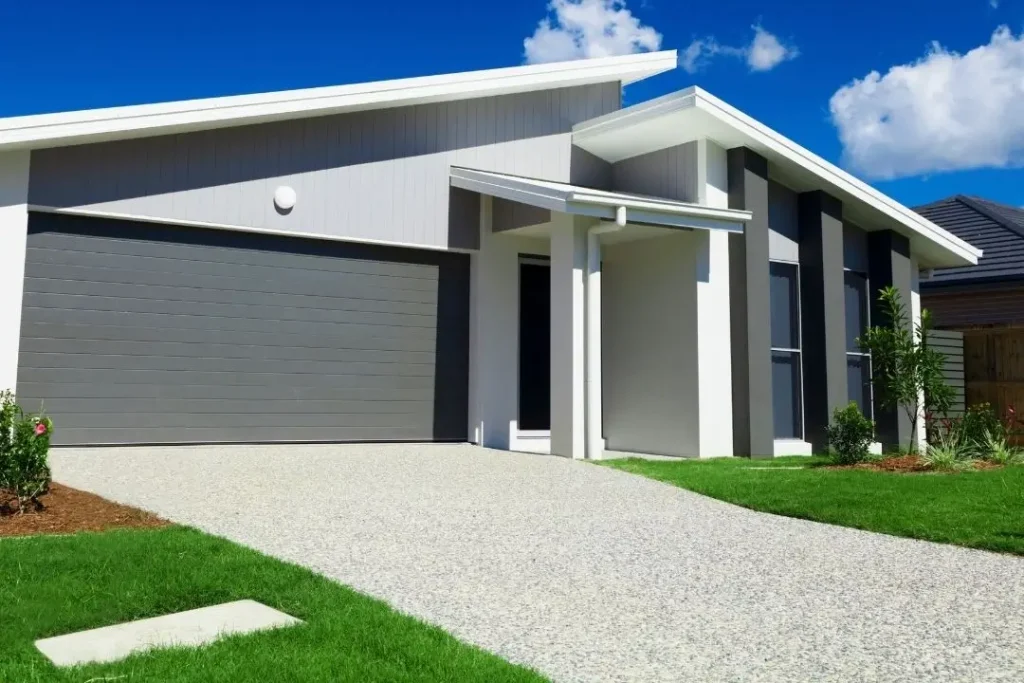
A standard concrete driveway in Queensland typically costs between $65 and $100 per square metre for plain concrete. Exposed aggregate or decorative finishes add to that figure, often pushing costs to $100 to $150 per square metre or more depending on the pattern and complexity.
A double driveway of around 50 square metres could run anywhere from $3,500 to $7,500 or higher once you factor in site preparation, edging, and any drainage requirements.
Concrete Slabs
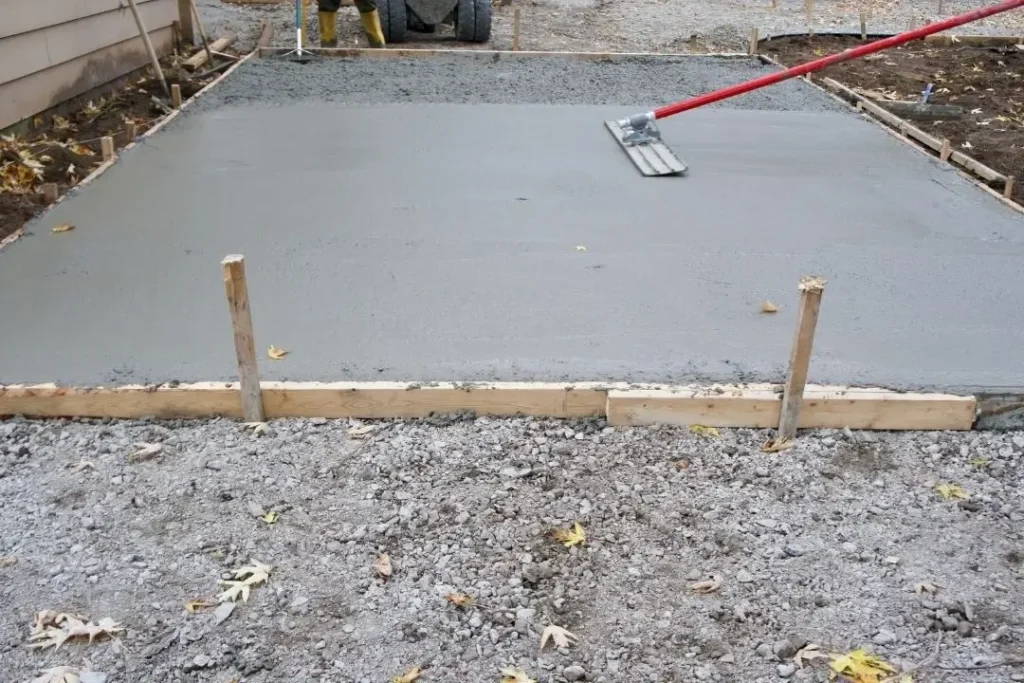
A concrete slab for a shed, garage, or outdoor area generally falls between $60 and $85 per square metre for a standard 100mm slab. Thicker slabs, steel reinforcement, or engineer-specified designs increase that cost.
A 6×6 metre shed slab might cost $2,500 to $4,500 depending on ground conditions, access, and whether any excavation or fill is needed beforehand.
Pathways and Smaller Pours
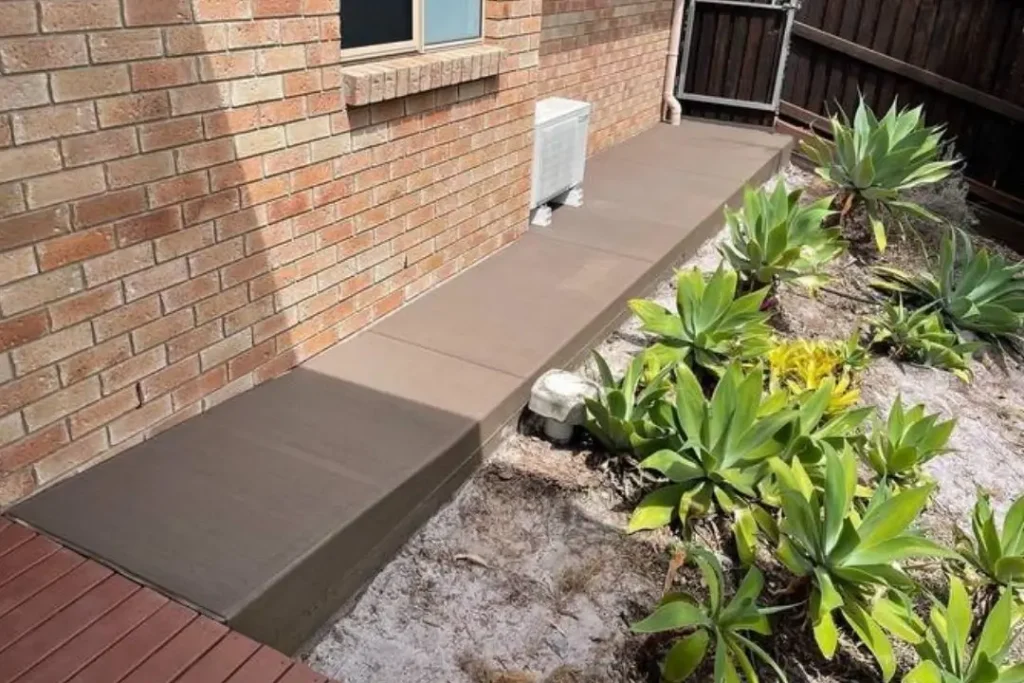
Smaller jobs like concrete garden paths or footpaths tend to cost more per square metre than larger pours. Mobilisation, setup, and labour costs are spread across less concrete, so the rate per square metre rises.
Expect to pay $80 to $120 per square metre for a standard pathway, with prices varying based on width, length, and finish.
What Actually Drives the Price Up
The square metre rate only tells part of the story. Several site-specific factors can push a project well above the base estimate.
Site Access and Ground Conditions
Tight access restricts how concrete can be delivered and placed. If a pump truck is needed instead of a direct chute pour, that adds cost. Rocky ground, clay soils, or areas with poor drainage may require more preparation before any concrete goes down.
Sloped blocks also require more formwork and sometimes retaining to hold the pour in place, both of which add labour and materials.
Excavation and Ground Preparation
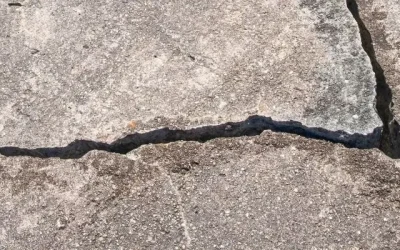
Concrete placed on poorly prepared ground will crack and settle over time. Correct preparation, including cutting out soft spots, compacting the base, and laying appropriate bedding material, is not optional on most jobs.
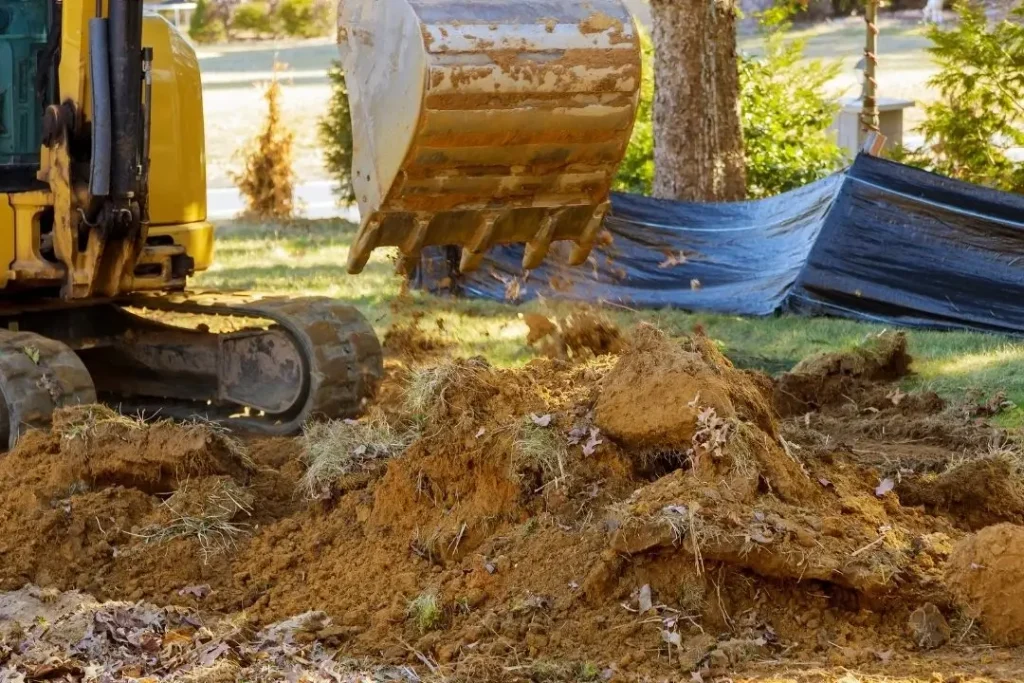
For excavation in Caboolture, sandy and reactive soils can mean more ground preparation is needed than a standard cut and compact, so if significant earthworks are required before the slab or driveway can be formed up, that work is usually priced separately.
Reinforcement and Concrete Specification
Not all concrete is the same. A driveway that needs to carry heavy vehicles requires a stronger mix and more steel than a garden path. Engineer-specified slabs for garages, carports, or outbuildings carry additional material and compliance costs.
Cutting corners on reinforcement or mix strength is one of the fastest ways to end up with a cracked slab within a few years.
Council Requirements Can Affect Your Budget
Some concreting projects in the Moreton Bay region require a building approval before work starts. Driveways that cross a kerb, large slabs, or work near easements and boundaries can all trigger council requirements that affect the scope and cost of the job.
Checking building and development requirements before you commit to a design or budget can save you from having to redo work or pay for variations after the fact.
Licencing and the Home Warranty Scheme
In Queensland, residential concreting work over $3,300 falls under the Queensland Home Warranty Scheme, which offers protection for homeowners if something goes wrong with the work. This scheme only applies when the contractor holds a current QBCC licence.
Always ask for a contractor’s licence number before signing anything. Unlicensed work on a qualifying project leaves you without that protection and can create problems if you sell the property later.
Why Getting Multiple Quotes Can Be Misleading
Three quotes for the same job can come back at very different prices, and the cheapest one is not always the best value. A low quote sometimes reflects a thinner slab, less reinforcement, or skipped preparation steps that will cost more to fix down the track.

Compare quotes on scope, not just price. Ask what’s included in the base rate, what the concrete mix specification is, and what ground preparation is covered. A detailed quote is a sign of a contractor who understands the job.
What to Do Before You Call for a Quote
Having a few things ready before you contact a concreter will make the quoting process faster and more accurate. Note down:
- The approximate dimensions of the area
- What the concrete will be used for
- Any access constraints on the property
- Existing drainage issues, soft ground, or tree roots near the area
These details affect both the preparation required and the final price, so mentioning them upfront saves time on both sides.
Get an Accurate Quote for Your Project
Ballpark figures are useful for planning, but the only way to know what your specific project will cost is to have someone look at the site. Soil conditions, access, and the finish you want all affect the final number in ways that can’t be assessed from a phone call alone.
For concreters Morayfield, Beachmere and other Moreton Bay locals trust, call us on (07) 5408 6099 and we’ll arrange a time to assess the site and provide a free, itemised quote to begin your project.