Slab thickness is one of those decisions that looks simple on the surface but has real consequences if you get it wrong. Too thin and the slab cracks under load. Too thick and you are paying for concrete you do not need. Getting it right comes down to what the slab is for, what sits on top of it, and what the ground beneath it is like.
There is no single correct answer that applies to every job. The right thickness depends on the specific use, the soil conditions on your block, and whether the slab needs to meet any council or engineering requirements. This guide walks through the most common residential applications so you can go into a quote conversation knowing what to expect.
The Baseline: What Australian Standards Say
For most residential slabs in Australia, the standard thickness sits between 85mm and 100mm for lightly loaded areas. That covers things like pathways, patios, and general outdoor surfaces where foot traffic is the main concern. Anything carrying vehicles or heavy structures needs more depth than that.
Slab thickness requirements vary depending on the application, the soil classification, and whether the slab is reinforced. The Australian standards for slab thickness are set requirements for different residential uses and are not just rough guidelines. A concreter working to those standards will size the slab based on what it actually needs to carry, not a round number that sounds about right.
Shed Slabs: Why the Design Comes First
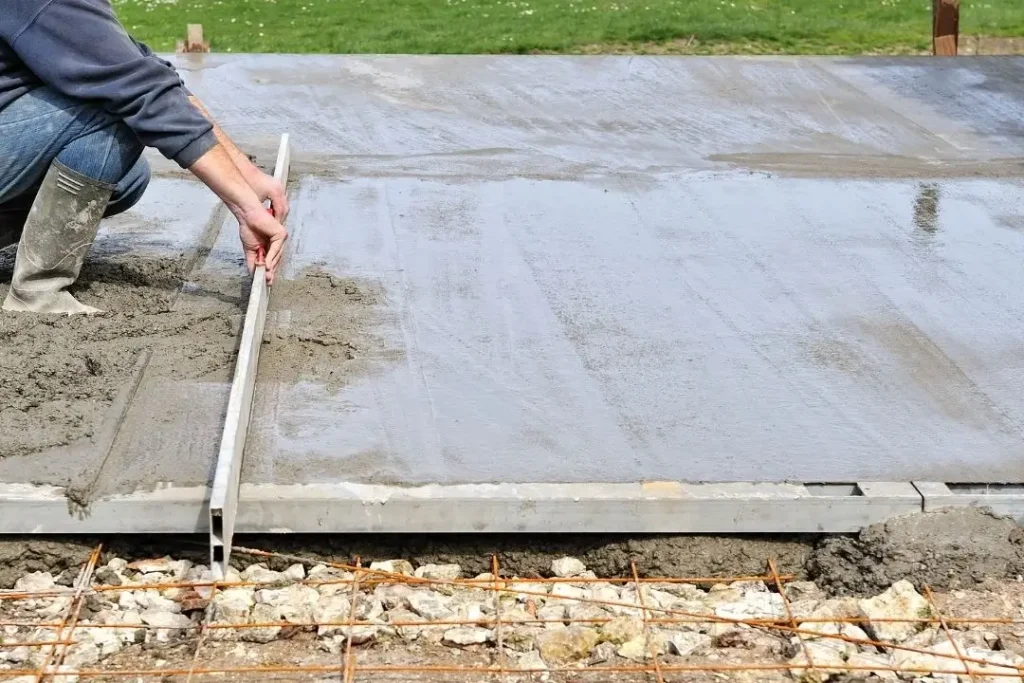
A concrete shed slab is one of the most common jobs in the Caboolture and Moreton Bay area, and it is also one of the most commonly underspecified. The thickness you need depends on the shed size, the roof load, whether you are storing vehicles or machinery, and what the footings look like around the perimeter.
Most standard residential shed slabs are poured at 100mm in the field with a thickened edge beam around the perimeter, typically 300mm deep. That edge beam carries the wall loads and ties the slab to the ground. If you are storing heavy equipment or a vehicle inside, the internal slab may need to go thicker, or the reinforcement specification changes.
One thing that catches homeowners off guard is that the shed design needs to be finalised before before the slab specifications can be confirmed. The wall layout, door positions, and roof pitch all affect where loads land on the slab. Locking in the shed design first means the concreter can size the slab correctly rather than guessing.
Carport Slabs: Accounting for Vehicle Weight
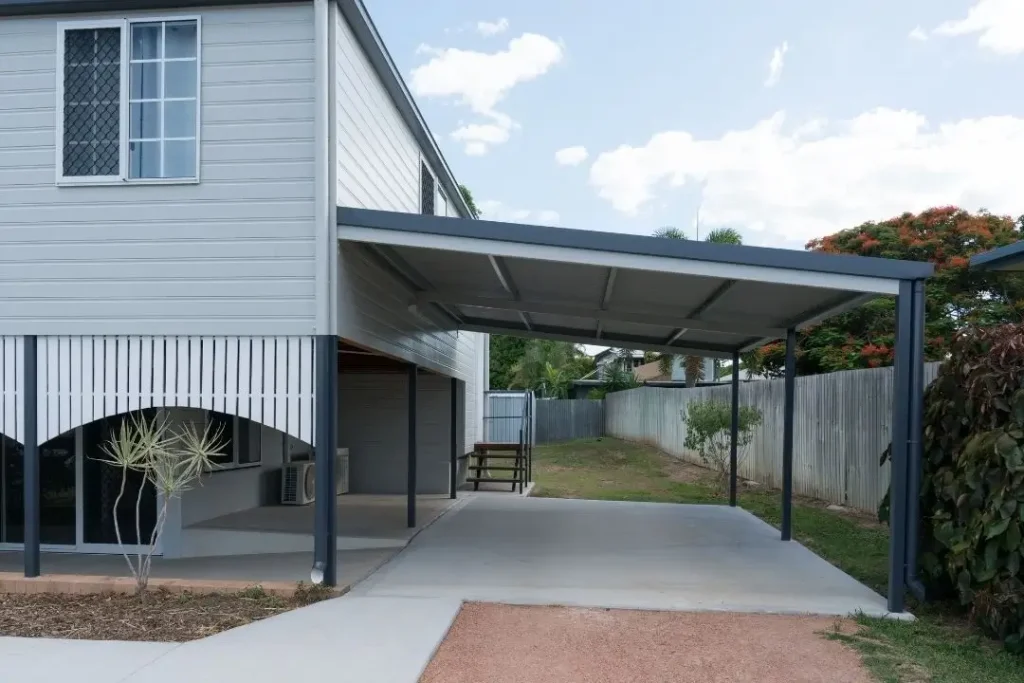
A carport slab needs to handle the repeated load of vehicles driving on and off it. That rules out the lighter 85mm thickness used for foot traffic areas. Most carport slabs in Queensland are poured at 100mm minimum, with some concreters recommending 125mm where the soil is reactive or where heavier vehicles are expected.
Reinforcement matters just as much as depth here. Steel mesh or rebar within the slab helps distribute the load and reduces the risk of cracking over time. A slab that is 100mm thick with proper reinforcement will outperform a 125mm slab with no steel in it.
House Slabs and Suspended Slabs
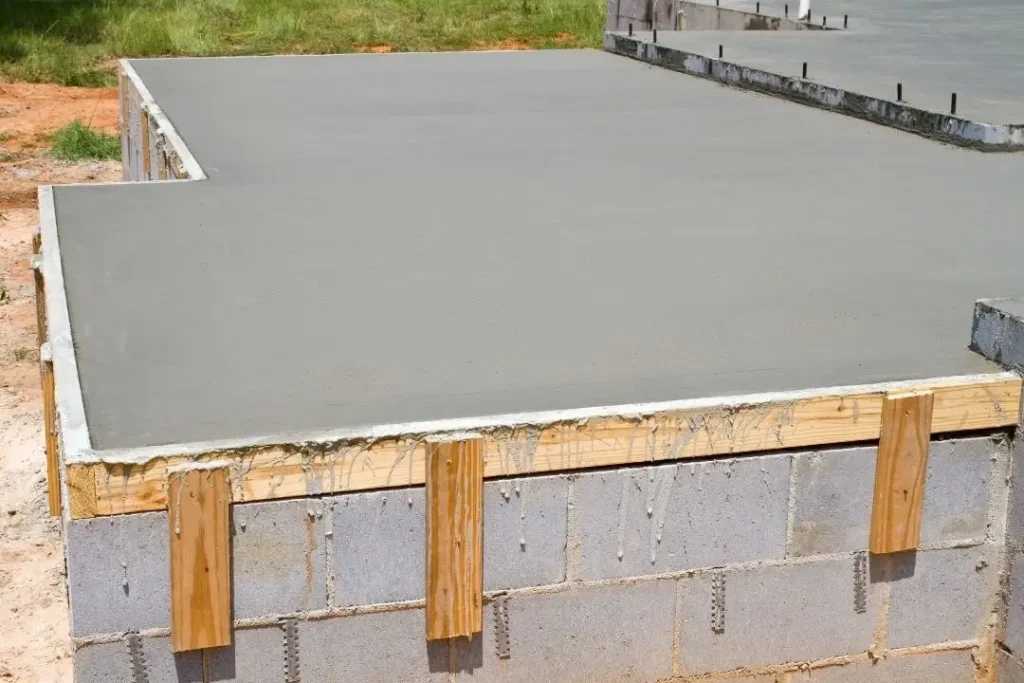
A residential house slab is a more complex structure than a shed or carport slab. It has to account for soil movement, drainage, footing depths, and the full dead and live load of the building above it. In Queensland, most house slabs are designed by a structural engineer and the thickness is specified on the engineering drawings rather than left to a rule of thumb.
Waffle pod slabs, which are common in South East Queensland, use a ribbed underside to achieve structural depth without using solid concrete throughout. The ribs carry the load while the pods reduce the volume of concrete needed. The overall depth of a waffle pod slab is typically around 300mm from ground to top surface, but the concrete itself is only a fraction of that.
If you are budgeting for a new build or extension, the cost of concreting in Queensland varies significantly depending on slab type, thickness, and site conditions. Getting a proper quote based on your engineering drawings is the only reliable way to budget accurately.
Soil Conditions Change Everything
The ground beneath a slab is just as important as the slab itself. Reactive clay soils, which are common across the Moreton Bay region, expand and contract with moisture changes. That movement puts stress on a slab from below, which is why soil classification affects both the thickness and the reinforcement specification.
A site with stable, well-compacted fill may support a standard 100mm slab without issue. The same slab on reactive clay without proper preparation can crack within a few years. A soil report or site assessment before the pour is not an optional extra on difficult ground. It is what determines whether the slab performs as it should.
When You Need an Engineer to Specify the Slab
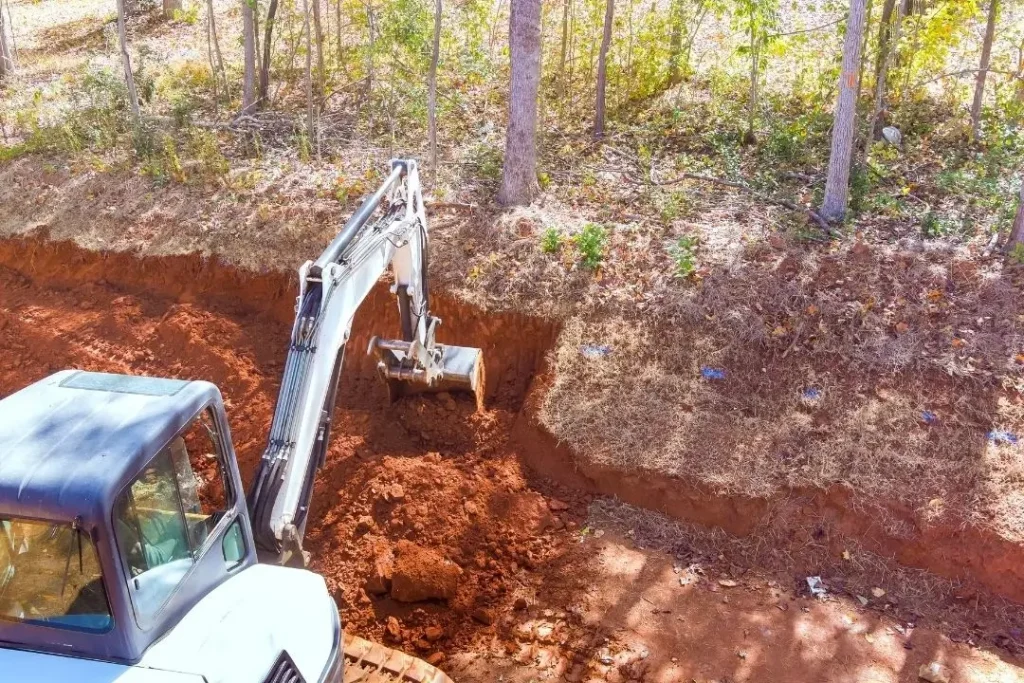
Not every slab needs an engineer, but some do. If the slab is part of a building that requires a building approval, the structural drawings will specify the thickness and reinforcement. Trying to reduce costs by going thinner than what is specified on the drawings is not worth the risk, particularly if the structure is inspected during construction.
Retaining walls, slabs on steep sites, and slabs that form part of a habitable building almost always need engineering input. For simpler jobs like a garden shed or a standalone carport, a qualified concreter can size the slab based on experience and local conditions without a formal engineering report.
What to Tell Your Concreter Before They Quote
The more information you bring to a quote, the more accurate the price will be. Tell your concreter what the slab is for, what will sit on it, whether there are any vehicles involved, and whether you have had any soil issues on the block before. If you have engineering drawings, share them.
A concreter who asks these questions before quoting is doing the job properly. One who quotes a flat rate without asking about the use or the ground conditions is likely leaving something out. Concrete slabs are not a one-size-fits-all product, and the thickness is just one part of a broader specification that needs to suit your specific site.
Ready to Get the Right Slab for Your Project?
If you are planning a shed, carport, driveway, or any other concrete project in the Caboolture or Moreton Bay area, we can assess your site and give you a straight answer on what thickness and reinforcement your slab actually needs. No guesswork, no overselling.
For concreters Narangba, Beachmere and surrounding areas trust, call us on (07) 5408 6099 or send us a message through our project enquiry form and we will get back to you promptly.