Concrete driveways are built tough, but that doesn’t mean they’re maintenance-free. Between the harsh Queensland sun and sudden downpours, even the best-looking driveway can start to wear down over time. A bit of regular upkeep goes a long way. Looking after your driveway doesn’t take much time, but it can save you a lot of hassle and money in the long run. Whether you’ve just had a new driveway installed or you’re trying to keep your existing one looking its best, these simple tips can help your driveway maintain its appearance and functional life for decades to come.
1. Regular Cleaning
Keeping your driveway clean helps prevent surface stains, mould growth, and long-term wear. Leaves, dirt, and dust can trap moisture, especially after rain, which can lead to discolouration or slippery patches. A quick sweep once a week is usually enough to stay on top of loose debris. Every few months, you can wash down the surface with a pressure washer or a stiff broom and hose. For deeper cleans, a concrete-safe product like the Chemtech Concrete and Driveway Cleaner can help lift stubborn stains without damaging the surface.
If using a pressure washer, keep the nozzle moving and avoid holding it too close to one spot to prevent damage. This routine helps keep your driveway looking tidy and maintains the surface, allowing it to hold up better over time.
2. Seal Your Driveway Regularly
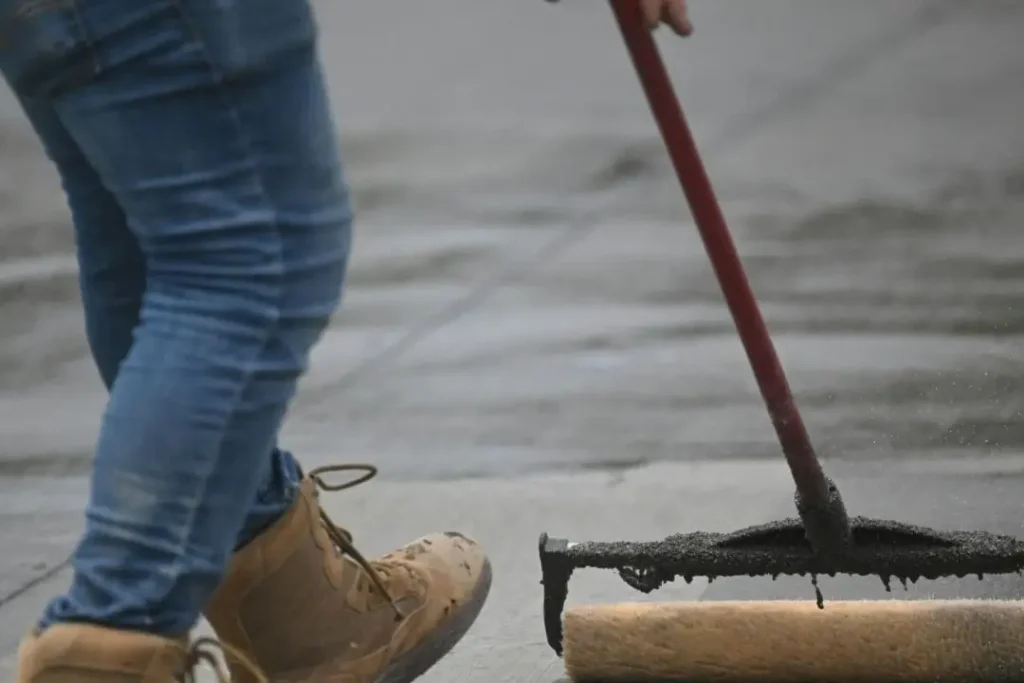
Sealing your driveway adds a protective layer that helps it resist stains, sun damage, and water absorption. UV exposure is highland heavy rain is common in South East Queensland so you’ll need a quality sealer to prevent cracking, fading, and erosion. Most concrete driveways should be resealed every 2 to 4 years, depending on how much sun and traffic it gets. You know when your sealer has worn off when the surface starts to look patchy, dull, and water no longer beads on the surface.
Before sealing, make sure the concrete is clean and completely dry. This can be a DIY project using a sprayer or roller. If you’re thinking of doing it yourself, Bunnings has a handy guide on how to seal a driveway with step-by-step instructions and tips. Of course, if you want to be sure it’s done right, you can always hire a professional to take care of it for you.
3. Clean Up Stains and Spills Immediately
Concrete is porous so that means it absorbs liquids quickly if spills aren’t cleaned up immediately. Oil, petrol, paint, and other chemicals leave behind stains or even damage the surface if they sit for too long. If something spills on your concrete driveway, act fast. Use paper towels or an old rag to blot up as much as you can, then rinse the area with water.
For tougher stains, apply a concrete-safe cleaner and scrub gently with a stiff brush. Don’t use harsh chemicals like bleach or acid, as they can do more harm than good to your driveway. The sooner you deal with spills, the easier they are to remove.
4. Address Cracks Promptly
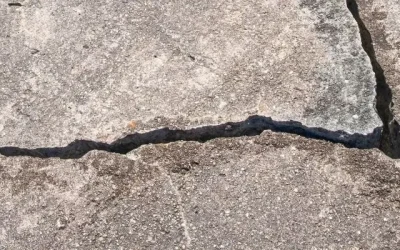
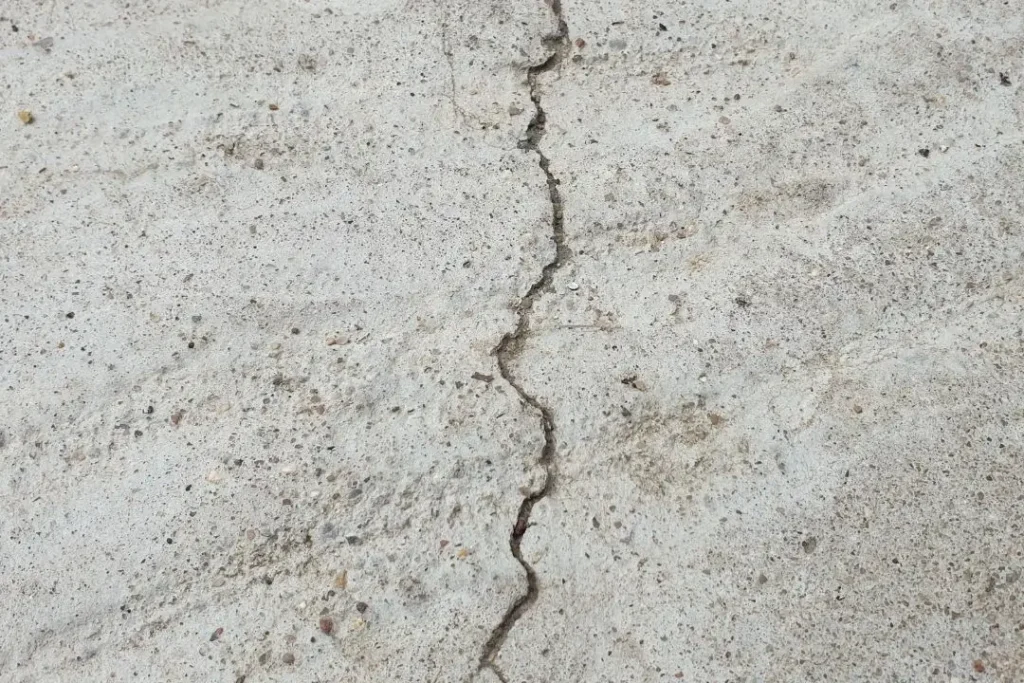
Small cracks in your driveway can lead to bigger problems if left untreated. Water can seep in during rainy weather and cause the cracks to widen or affect the soil underneath. Keep an eye out for hairline cracks and fill them in as soon as they appear. For small cracks, a ready-to-use product like the Gripset Betta Concrete Crack Filler. Just make sure the area is clean and dry before applying.
However, if there are wide cracks or cracks that seem to be growing, a professional should have a look at them and make necessary repairs before the damage compromises the structure of your driveway.
5. Remove Weeds and Moss
Weeds might seem harmless, but their roots can push through joints or small cracks and slowly break the concrete apart. Moss and algae are common in shaded or damp areas and can make the surface slippery and unsafe, especially after a rain.
To manage it, pull weeds out by the root as soon as you spot them, especially around edges or expansion joints. For moss and algae, use a stiff broom and scrub the area with water and a bit of vinegar or concrete-safe outdoor cleaner. There are also weed sprays designed for hard surfaces, but make sure that they are safe for your concrete driveway.
6. Maintain Proper Damage
Poor drainage is one of the quickest ways to damage a concrete driveway. When water pools on the surface or collects around the edges, it can seep into small cracks, soften the soil underneath, and lead to erosion or soil movement.
Check that your driveway slopes slightly to let water run off rather than sit in low spots. It’s also important to keep nearby gutters, downpipes, and stormwater drains clear so water flows away. After a heavy rain, check for areas where water lingers or flows in the wrong direction. By managing drainage properly, you reduce the risk of cracks and potholes.

7. Avoid Heavy Loads or Sharp Impacts
Most residential driveways are designed for standard vehicles and not for heavy trucks, caravans, or construction equipment. Putting too much weight on one spot can lead to cracking, sinking, or chipping. If you need to park something heavy, place timber boards or plywood underneath to spread the weight more evenly. This helps prevent stress points from forming on the concrete.
Also, avoid dropping heavy tools or equipment directly onto the surface as even strong concrete can chip or crack under sudden impact. Taking a few simple precautions can help prevent damage that’s expensive and difficult to repair.
8. Protect the Driveway Edges
The edges of your driveway are often the most vulnerable part. Without support, they can crack, crumble, or collapse, especially if someone drives over them or if the soil underneath starts to erode. Try to avoid driving too close to the edge, particularly if your driveway is narrow or doesn’t have reinforced sides. Installing garden edging, concrete borders, or a physical barrier can protect these areas and keep the structure intact.
9. Prepare for Sun and Storms
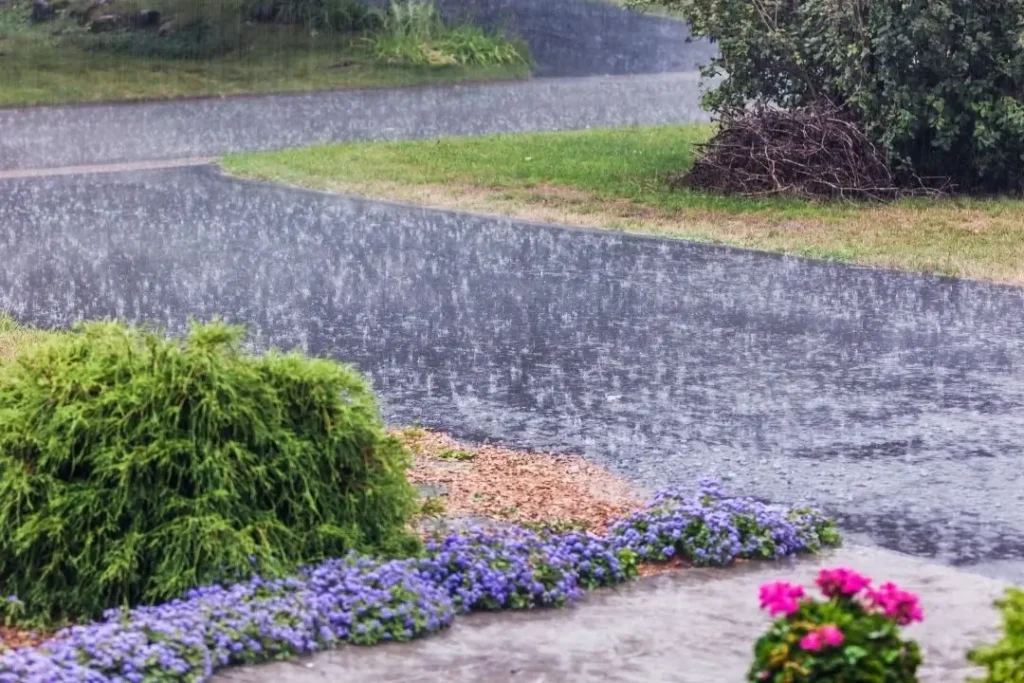
Queensland’s weather can swing from scorching hot sun to sudden, heavy downpours, which can take a toll on your concrete driveway. UV exposure fades the surface and weakens unsealed concrete over time, while intense rains can wash away soil and cause erosion around the edges.
If your driveway is in full sun most of the day, consider sealing it more often to prevent fading and surface damage. After big storms, do a quick check for pooling water, debris build-up, or early signs of erosion. Clearing out nearby drains and runoff channels also stops water from backing up onto the driveway.
10. Schedule a Check-Up Each Season
You don’t need to constantly monitor your driveway, but giving it a quick check every few months helps you catch small issues before they become big problems. Seasonal changes often bring different challenges, such as extra leaves during autumn, heavy rains in summer, or consistent UV exposure even during cooler months.
Walk the length of your driveway and look for cracks, surface wear, drainage issues, or signs of mould and weeds starting to take hold. If something looks off, take care of it sooner rather than later to prevent it from becoming a bigger problem.
Wrapping Up
Your concrete driveway puts in work every day. Between parked cars, foot traffic, and changing weather, it takes on a lot. With regular care, you can keep it looking good and holding up well for the long term. Tasks like cleaning, sealing, checking for cracks, and managing drainage don’t take up too much time, but they go a long way in preventing serious problems. Staying on top of maintenance is much easier than dealing with repairs or replacing the whole driveway. For more insight into what affects the durability of concrete over time, check out this article on the key factors that influence how long concrete lasts.
If you need help with sealing, crack repairs, or resurfacing, get in touch with our driveway concreters. Whether you’re in Caboolture, Burpengary, or nearby suburbs, we offer free quotes and professional services to keep your driveway in top shape. Call us on (07) 5408 6099 for expert advice and for a free quote.