The Question Most Homeowners Get Wrong
Most people assume a cracked driveway needs to be replaced. Others patch over serious structural problems and wonder why the damage comes back within a year. The repair-or-replace decision is not always obvious, but there are clear signals that point you in the right direction.
Getting this wrong costs money in both directions. Replacing concrete that could have been repaired is an unnecessary expense. Repairing concrete that has failed structurally just delays the inevitable and often makes the final job harder.
What Surface Damage Actually Looks Like
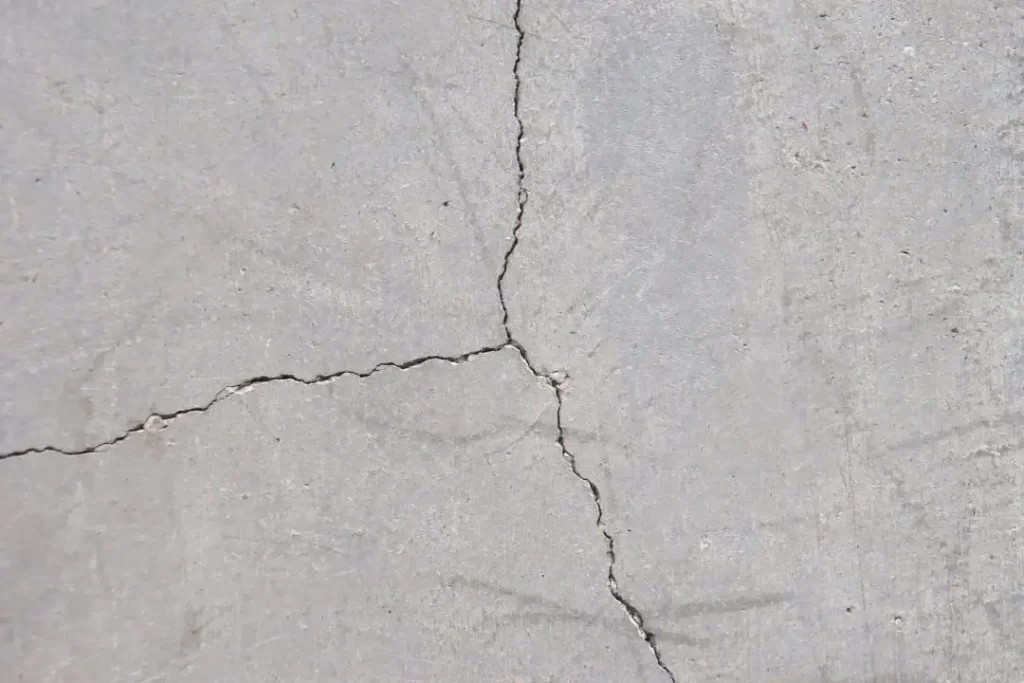
Surface-level damage includes hairline cracks, minor spalling (where the top layer flakes or chips), and light discolouration. These issues are cosmetic or the result of normal wear, and they do not affect the structural integrity of the slab.
Shallow cracks that run along the surface without widening or shifting are generally repairable. A concrete filler or resurfacing product can seal the crack and restore the appearance without the cost of a full replacement.
Understanding what causes these cracks in the first place makes it easier to judge whether a repair will hold. Shrinkage during curing, temperature movement, and tree root pressure are among the most common culprits, and each one behaves differently over time.
When the Damage Goes Deeper Than the Surface
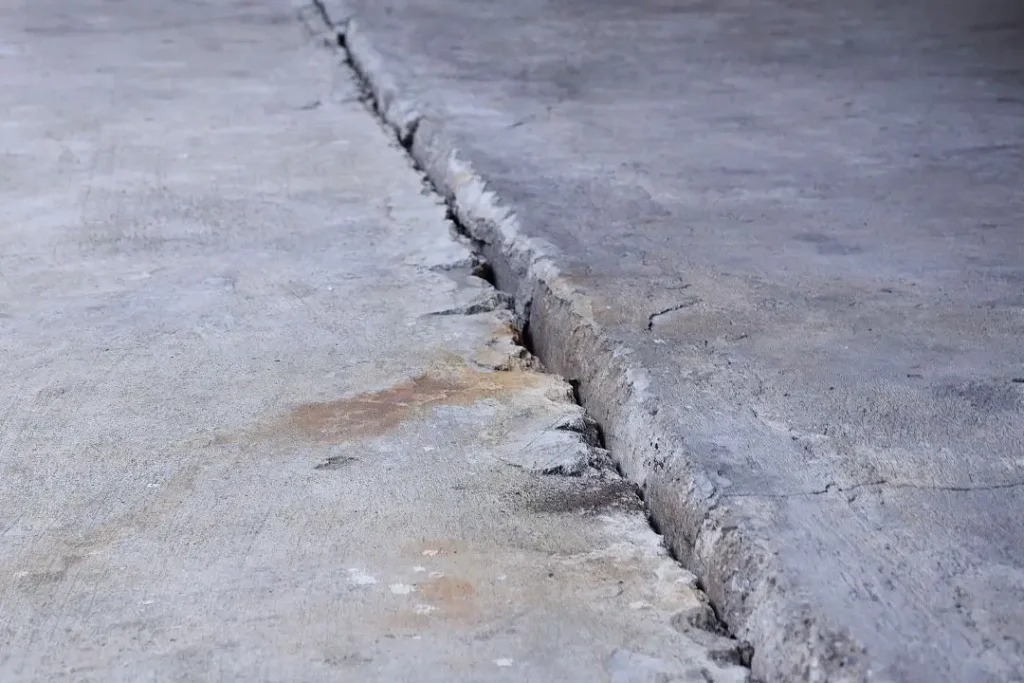
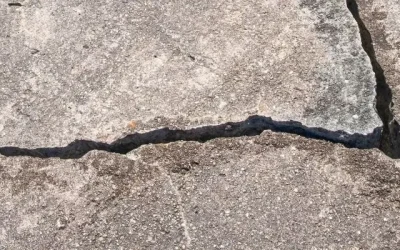
Structural damage is a different problem entirely. If a crack runs through the full depth of the slab, if sections have shifted vertically, or if the concrete has started to sink or heave, the slab itself has failed.
Cracks wider than about 6mm, cracks that continue to grow, or multiple cracks forming a pattern across the slab are all signs that something beneath the surface has changed. This could be soil movement, poor compaction during the original pour, or water erosion under the base.
Patching over structural failure does not fix the underlying cause. The repair will crack again, often in the same place, and you will spend money twice.
The Age of the Concrete Matters
Concrete has a practical lifespan. A well-laid residential driveway or path can last several decades, but older slabs that are already showing widespread deterioration are often not worth repairing in sections.
If your concrete is heavily aged and showing damage across most of its surface, the cost of repairing each problem area separately will often exceed the cost of a full replacement. At that point, replacement gives you a clean result and a longer service life.
Newer concrete that has cracked due to a specific cause, such as a tree root or a vehicle load beyond its rated capacity, is a different situation. Targeted repair makes sense when the rest of the slab is sound.
How to Read a Cracked Driveway
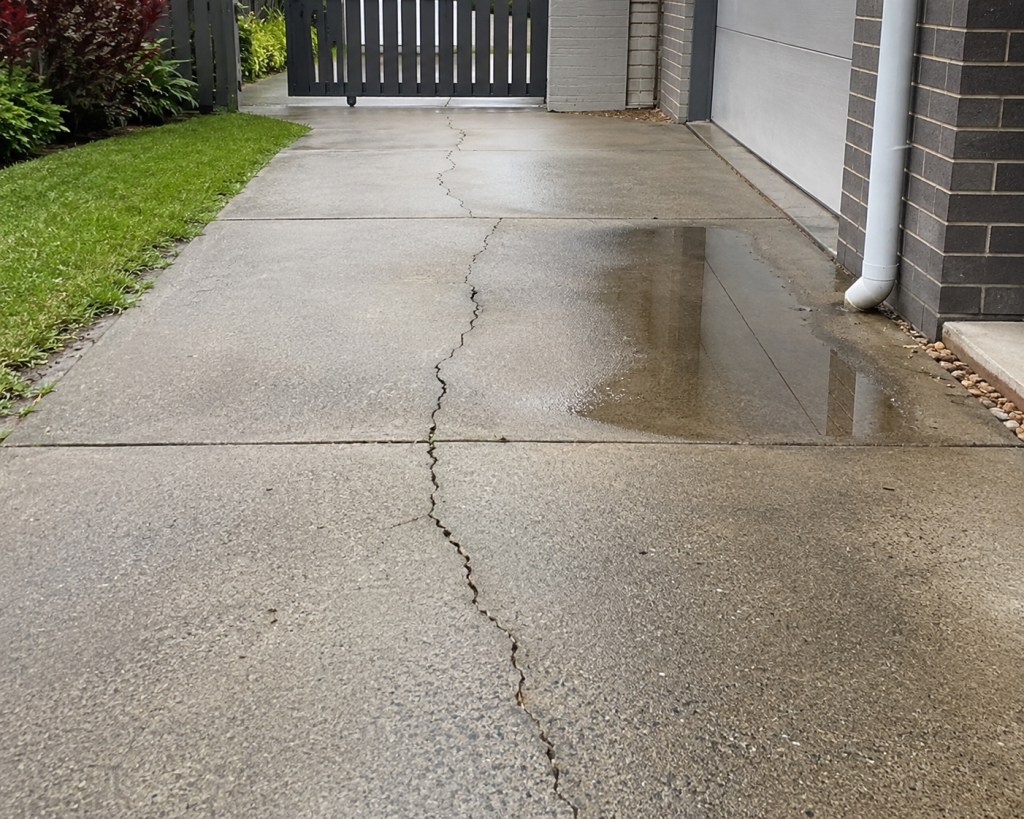
A single crack running across a driveway panel is not automatically a crisis. Concrete expands and contracts with temperature, and control joints are designed to manage that movement. When a crack forms at or near a control joint, it is often doing exactly what the design intended.
The problem starts when cracks appear mid-panel, when sections drop or rise relative to each other, or when water is pooling in areas it did not pool before. Pooling water is a sign that the surface level has changed, which points to movement in the sub-base.
If you are unsure whether your concrete driveway has surface damage or structural damage, have a concreter assess it before committing to either option. A visual inspection from someone with experience will give you a clearer answer than any online guide.
Repair Options and Their Limits
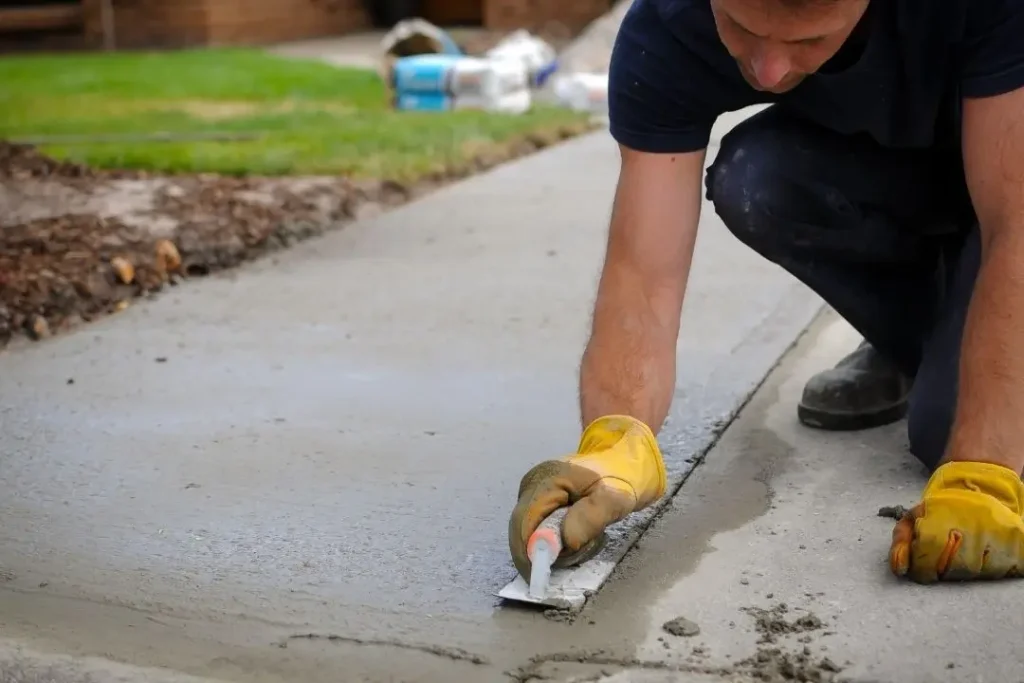
Concrete crack fillers and epoxy injections work well for stable, non-moving cracks. They seal the crack against water ingress and prevent further deterioration, but they do not bond the two sides of the slab back together structurally.
Resurfacing overlays can restore the appearance of a worn or lightly damaged slab. These products bond to the existing concrete and give you a fresh surface, but they rely on the existing slab being structurally sound. Applying a resurfacing product over a failing slab will not prevent the underlying movement from cracking the overlay.
Mud jacking or slab lifting is another option for sunken concrete. It involves pumping material beneath the slab to raise it back to level. This works in some situations, but it is not suitable for slabs that are cracked through or badly deteriorated.
When Replacement Is the Smarter Call
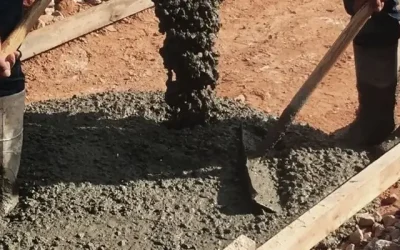
Replacement makes sense when the slab has shifted, when damage covers more than a third of the surface, when the sub-base has failed or when the original pour was simply done poorly. Poor compaction, inadequate thickness, or the wrong concrete mix for the application will cause ongoing problems regardless of how many times the surface is patched.
If the original work was defective and the project falls within the relevant timeframe, defective residential building work may be eligible under Queensland’s home warranty scheme. This is worth checking before you pay out of pocket for a replacement caused by someone else’s poor workmanship.
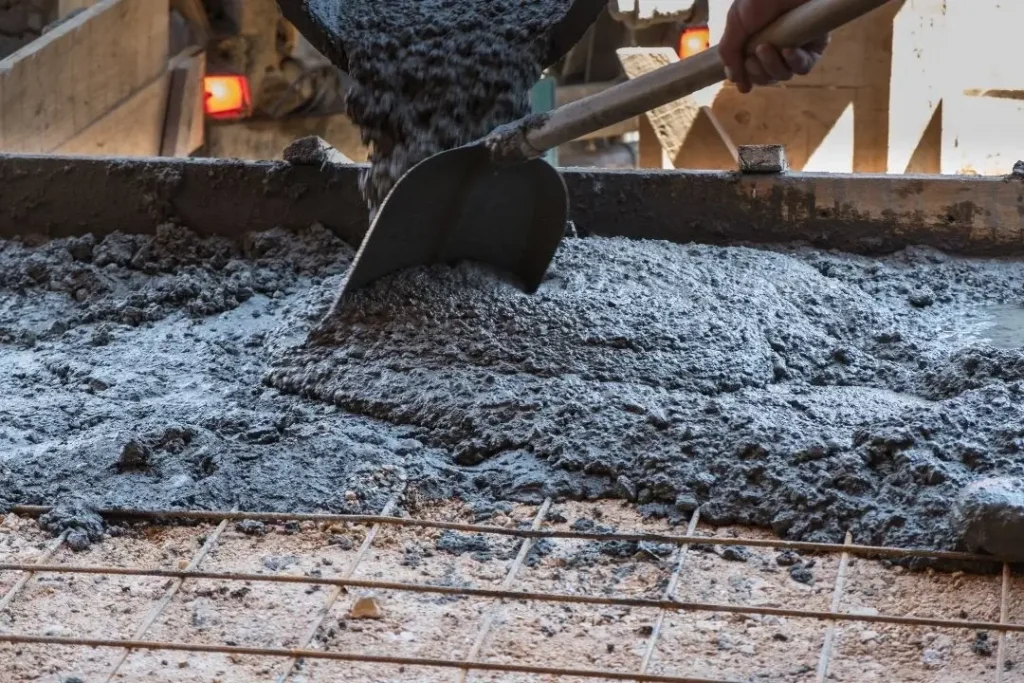
Replacement also gives you the opportunity to address whatever caused the original failure. If drainage was poor, if the sub-base was not compacted properly, or if the concrete was undersized for the load, those issues can be corrected during the new pour.
Cost Is Not the Only Factor
Repair is almost always cheaper upfront. But a repair that fails within two or three years, followed by a replacement, costs more in total than going straight to replacement from the start.
The right question is not “what is cheaper now?” but “what will this cost me over the next ten years?” A concreter who assesses the slab honestly will tell you which option makes financial sense for your specific situation.
For context on what drives cracking in the first place, the causes behind concrete cracking often determine whether a repair will hold or whether the same problem will return.
Making the Call: A Practical Summary
Repair is the right choice when:
- cracks are shallow and stable
- the slab is relatively new
- damage is isolated to one area
- the sub-base is still sound.
Replacement is the right choice when:
- the slab has shifted or sunk
- cracks are wide and growing
- damage is widespread
- the original installation was poor quality.
If you are still unsure, an on-site assessment from an experienced concreter is the most reliable way to get a straight answer. Photographs and descriptions can only tell part of the story.
Talk to Someone Who Knows the Area
Soil conditions, drainage patterns, and climate all affect how concrete performs over time. Local knowledge matters when you are trying to work out whether a repair will hold or whether replacement is the better investment.
Our team handles concreting in Caboolture and across the Moreton Bay region, and we are straightforward about what a slab actually needs. No upselling, no unnecessary replacements, and no repairs that will not last.
To get an honest assessment of your concrete, send us a message through our project enquiry form or call us directly on (07) 5408 6099.