Curing Is Not the Same as Drying
Most homeowners assume concrete is “done” once it looks hard and feels solid underfoot. That is not how it works. Curing is a chemical process where moisture inside the concrete reacts with cement particles to build strength over time.
Drying is simply water evaporating from the surface. Curing is what actually makes concrete durable. If concrete dries out too fast before it has properly cured, it loses strength and becomes far more prone to cracking.
The Basic Curing Timeline You Need to Know
Concrete reaches around 70% of its full design strength within the first seven days. Full strength, often referred to as the 28-day strength, takes roughly four weeks to develop under normal conditions.
That does not mean your slab is useless for a month. It means different activities are safe at different points in the curing process, and pushing that timeline too early causes real damage.
When Can You Walk on New Concrete?
Light foot traffic is generally safe after 24 to 48 hours. At that point the surface has hardened enough to hold a person’s weight without leaving marks or disturbing the finish.
Avoid dragging furniture, dropping heavy objects, or letting kids ride bikes across it during the first week. The surface may feel firm, but the concrete beneath is still gaining strength and is more vulnerable than it looks. Standard guidance on foot traffic and vehicle use after pouring is consistent on this point: patience in the first 48 hours protects the finished result.
When Can You Drive on New Concrete?
Passenger vehicles should stay off a new concrete driveway for at least seven days. Heavy vehicles, including utes with full loads, trailers, and delivery trucks, need a minimum of 28 days.
Driving on concrete too early causes surface cracking, tyre marks, and in some cases structural damage that cannot be repaired without breaking out and replacing sections. It is a costly mistake that is entirely avoidable.

What Slows Down or Speeds Up Curing in South-East Queensland
Temperature and humidity have a significant effect on how concrete cures. Hot, dry conditions cause the surface to lose moisture too quickly, which interrupts the curing process and weakens the slab. This is a real concern during Queensland summers.
Cold conditions slow the chemical reaction down, meaning concrete takes longer to reach usable strength. Wet weather can also interfere if rain hits freshly poured concrete before the surface has set. Weather conditions and mix design both affect how long curing takes, which is why experienced concreters adjust their approach based on the forecast and the specific job.
How Concreters Manage the Curing Process
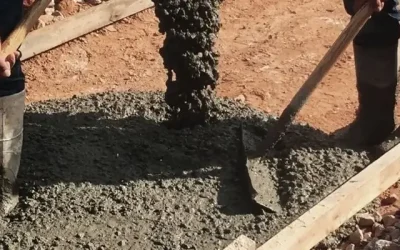
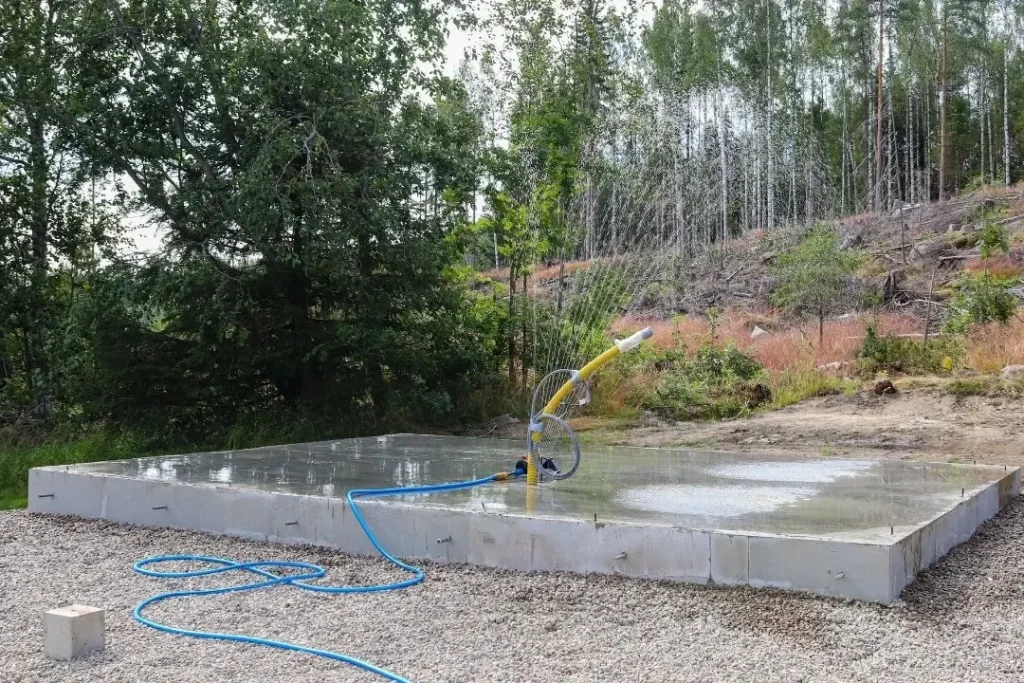
Curing is not passive. A good concreter takes active steps to protect the slab during the critical first week. Common methods include covering the surface with plastic sheeting or wet hessian to retain moisture, or applying a liquid curing compound that seals the surface and slows evaporation.
In hot weather, the slab may need to be misted with water periodically to keep it from drying out too fast. These steps are not optional extras. They are part of doing the job properly.
Why Rushing the Timeline Causes Long-Term Problems
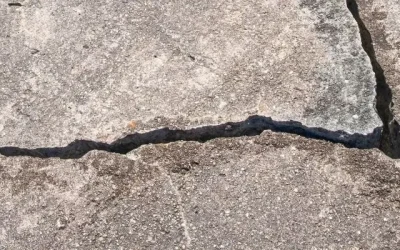
Concrete that has not cured properly is weaker, more porous, and more likely to develop surface defects. Shrinkage cracks, surface scaling, and dusting are common signs of a slab that dried too fast or was loaded too early.
Some of these issues are cosmetic. Others affect the structural integrity of the slab. Understanding the causes of concrete cracking makes it easier to see why the curing period matters as much as the pour itself.
Does the Type of Concrete Job Affect Curing Time?
The short answer is, yes. A residential footpath and a commercial driveway slab are not the same job, and they do not follow identical timelines. Thicker slabs retain heat and moisture differently, and higher-strength mixes may reach usable strength faster depending on the cement blend used.
The mix design, slab thickness, reinforcement, and intended load all factor into how a concreter approaches curing on a specific project. A properly planned concrete slab installation accounts for curing requirements from the start, not as an afterthought once the pour is done.
What You Should Do During the Curing Period
- Keep the surface moist if it is exposed to direct sun or wind
- Avoid parking on a new driveway for at least a week
- Keep heavy vehicles off it for the full 28 days
- Do not seal the surface before curing is complete, as this can trap moisture unevenly and cause discolouration
If you are unsure about the specific requirements for your slab, ask your concreter before the job starts. A clear conversation upfront saves a lot of frustration later.

Ready to Get Your Concrete Job Done Right?
Curing is one of those parts of a concrete project that does not get much attention until something goes wrong. Getting it right from the start means a stronger, longer-lasting result with fewer problems down the track.
For a concreter Caboolture and Moreton Bay locals rely on for driveways, slabs, and excavation work, call us on (07) 5408 6099 or send us a message through our project enquiry form. We will give you a straight answer and a free quote.