Concrete Cracks for Reasons, Not by Accident
Cracking concrete is one of the most common concerns homeowners raise after a new slab, driveway, or path is poured. Some cracking is normal. Other cracking signals a problem with how the job was done. Knowing the difference helps you ask the right questions before work starts, not after.
Concrete is strong under compression but relatively weak under tension. When internal or external forces pull at it, cracks form. The good news is that most of those forces are predictable, and a properly planned job accounts for them.
Shrinkage Is the Most Common Culprit
Fresh concrete contains water. As it cures, that water evaporates and the concrete shrinks slightly. That shrinkage creates tension within the slab, and if there is nowhere for that tension to go, it releases as a crack.
This is why control joints exist. A control joint is a deliberate cut or groove placed in the concrete at regular intervals. It gives the slab a predetermined weak point so that if shrinkage cracking does occur, it happens along the joint rather than across the middle of your driveway or path.
Slabs poured without adequate control joints, or with joints spaced too far apart, are far more likely to crack in unpredictable locations.
Curing Too Fast Creates Surface Problems
Hot, dry, or windy conditions pull moisture out of fresh concrete before it has time to develop strength. The surface dries and shrinks faster than the material below it, which causes surface cracking, sometimes within hours of the pour.
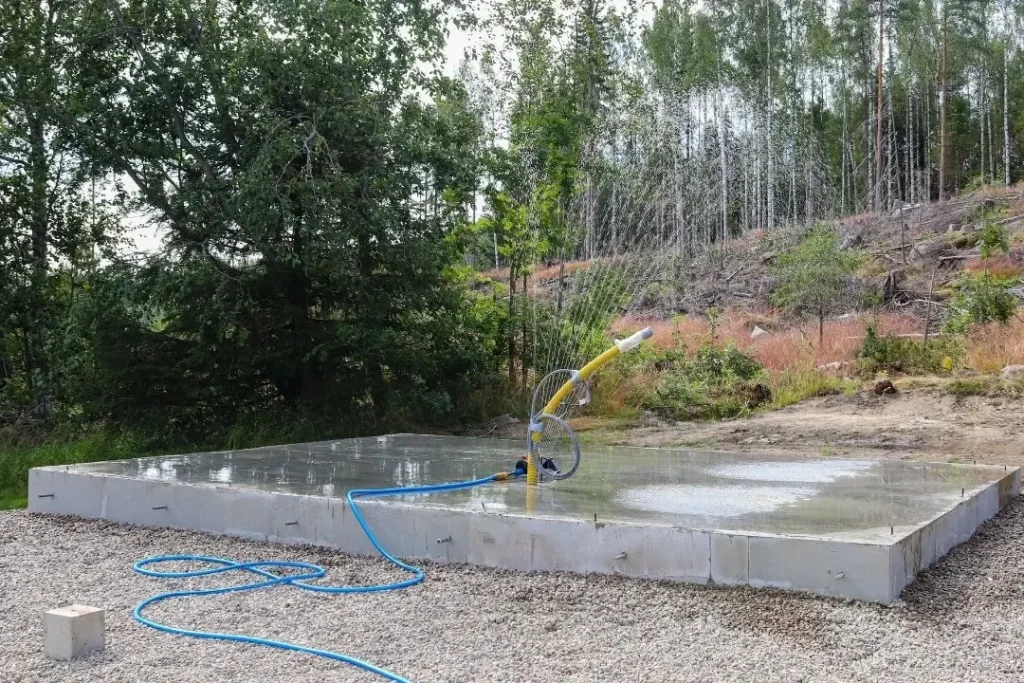
Proper curing means keeping the concrete moist and protected for several days after it is poured. This is not optional. Skipping or rushing this step weakens the surface and makes cracking far more likely over time.
Loading concrete too early causes similar damage. Driving or placing heavy weight on a slab before it has reached adequate strength can fracture it from below, and those fractures are not always visible straight away. Premature loading and poor curing practice are two of the most consistent contributors to surface cracking on residential slabs and driveways.
The Ground Beneath the Slab Matters More Than Most People Realise
Concrete does not float. It sits on whatever is underneath it, and if that base moves, the slab moves with it. Poorly compacted fill, reactive clay soils, or ground that has not been properly prepared will shift under load or with moisture changes.
When one section of the slab settles and another does not, the concrete bends. Concrete does not bend well. The result is cracking, often in a pattern that follows the weak points in the base.
In South East Queensland, reactive soils are common. A concreter who does not account for soil conditions during preparation is setting the job up for problems regardless of how good the mix is.
Mix Design and Water Content Affect Long-Term Performance
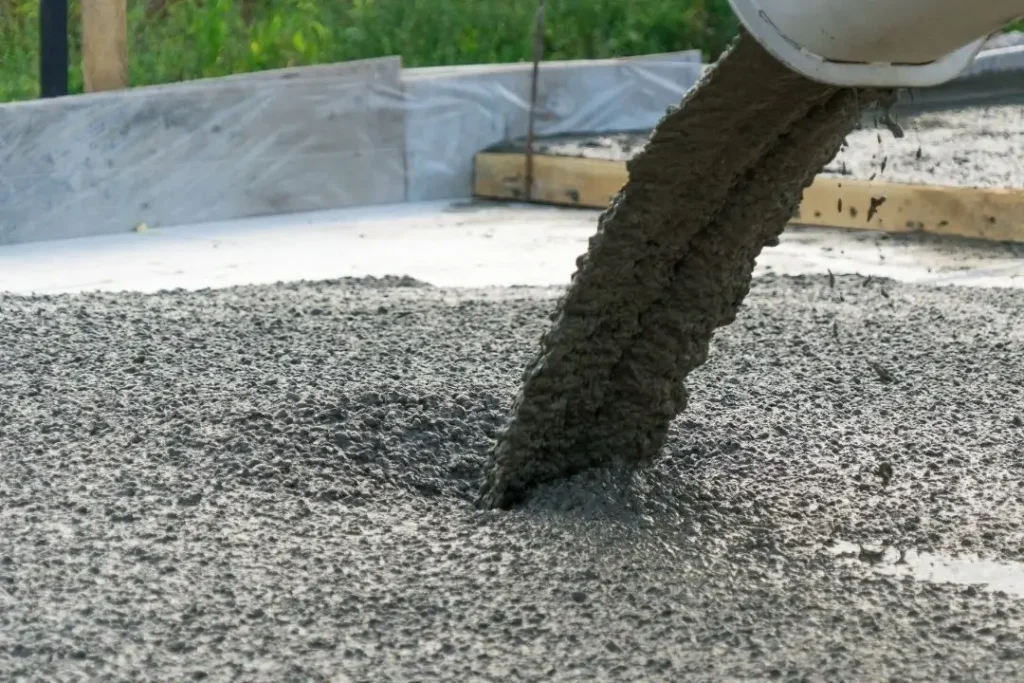
Adding extra water to a concrete mix makes it easier to work with on the day, but it weakens the finished product. A wetter mix shrinks more as it cures, which increases the risk of cracking.
The correct mix for a residential driveway or slab is different from what you would use for a garden path or a shed floor. Using the wrong mix, or allowing a mix to be watered down on site, compromises the structural integrity of the finished concrete.
Reinforcement also plays a part. Steel mesh or rebar does not stop concrete from cracking, but it holds cracks together so they do not widen or cause sections to shift. A slab poured without adequate reinforcement in the right locations is more vulnerable to damage over time. Thickness matters for the same reason, as a slab that is too thin for its load or application will flex under pressure, and flexing is how cracks start. How thick a concrete slab needs to be depends on what it will carry and how the base is prepared.
Tree Roots and Drainage Can Cause Cracking Years Later
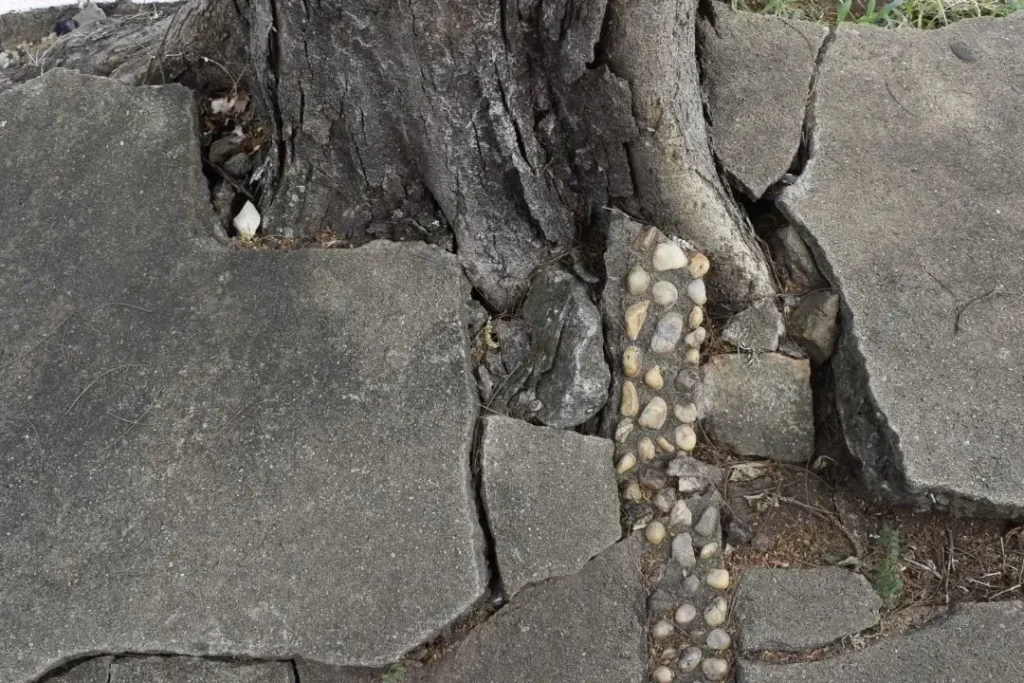
Some cracks appear long after the concrete was poured. Tree roots growing beneath a slab will eventually lift and fracture it. Poor drainage that allows water to pool under the concrete can erode the base material, leaving sections unsupported.
Before pouring a concrete patio or any outdoor surface near established trees, the root situation needs to be assessed. Removing or redirecting roots before the pour is far cheaper than repairing or replacing a cracked slab later.
When Cracking Becomes a Structural Concern
Hairline surface cracks that do not widen or shift are generally cosmetic. Cracks that are wide, deep, or growing over time are a different matter. Cracking that affects the structural performance of a slab, footing, or retaining element may be covered under the Queensland home warranty scheme for licensed building work, depending on the circumstances.
If you are unsure whether a crack is cosmetic or structural, get a qualified concreter to look at it. Waiting and hoping it stops moving is rarely the right call.
What Good Installation Practice Actually Looks Like
Preventing concrete cracks starts before the first truck arrives. The ground needs to be properly excavated, compacted, and graded. Control joints need to be planned for the specific dimensions of the slab. The right mix needs to be specified for the application, and curing needs to be managed after the pour.
None of this is complicated, but all of it requires attention. Cutting corners on any one of these steps increases the likelihood of cracking, and some of those shortcuts are not visible until months or years later.
Choosing an experienced concreter who asks about your soil conditions, specifies the right mix, and talks through joint placement before quoting is a reasonable indicator that they are approaching the job properly.
Talk to Someone Who Knows the Local Conditions
If you are planning a concrete driveway, slab, or outdoor surface in the Moreton Bay area, call Eathan for a free quote. We are the concreters Burpengary and surrounding areas rely on for honest advice and work done properly from the start. Call us on (07) 5408 6099 or send us a message through our project enquiry form and we will get back to you with honest, practical advice.